Archive for the ‘Yemeni Dishes’ Category
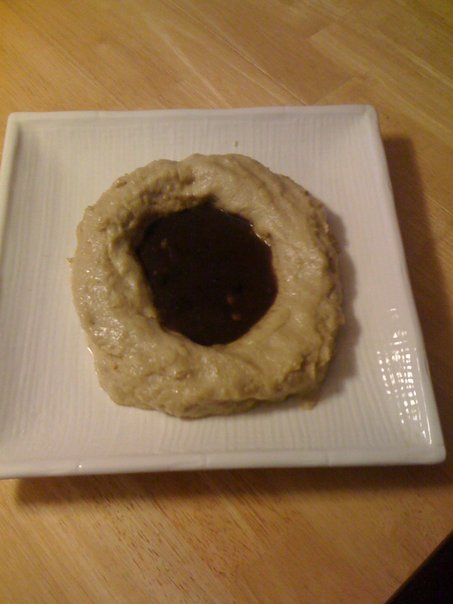
Aseeda (Yafe’iyah) with Maraq [soup]–called “Luqmah” [ عصيد يافعي — لقمة]
Posted in Appetizers, Chicken, Yemeni Dishes on April 4, 2011| 10 Comments »
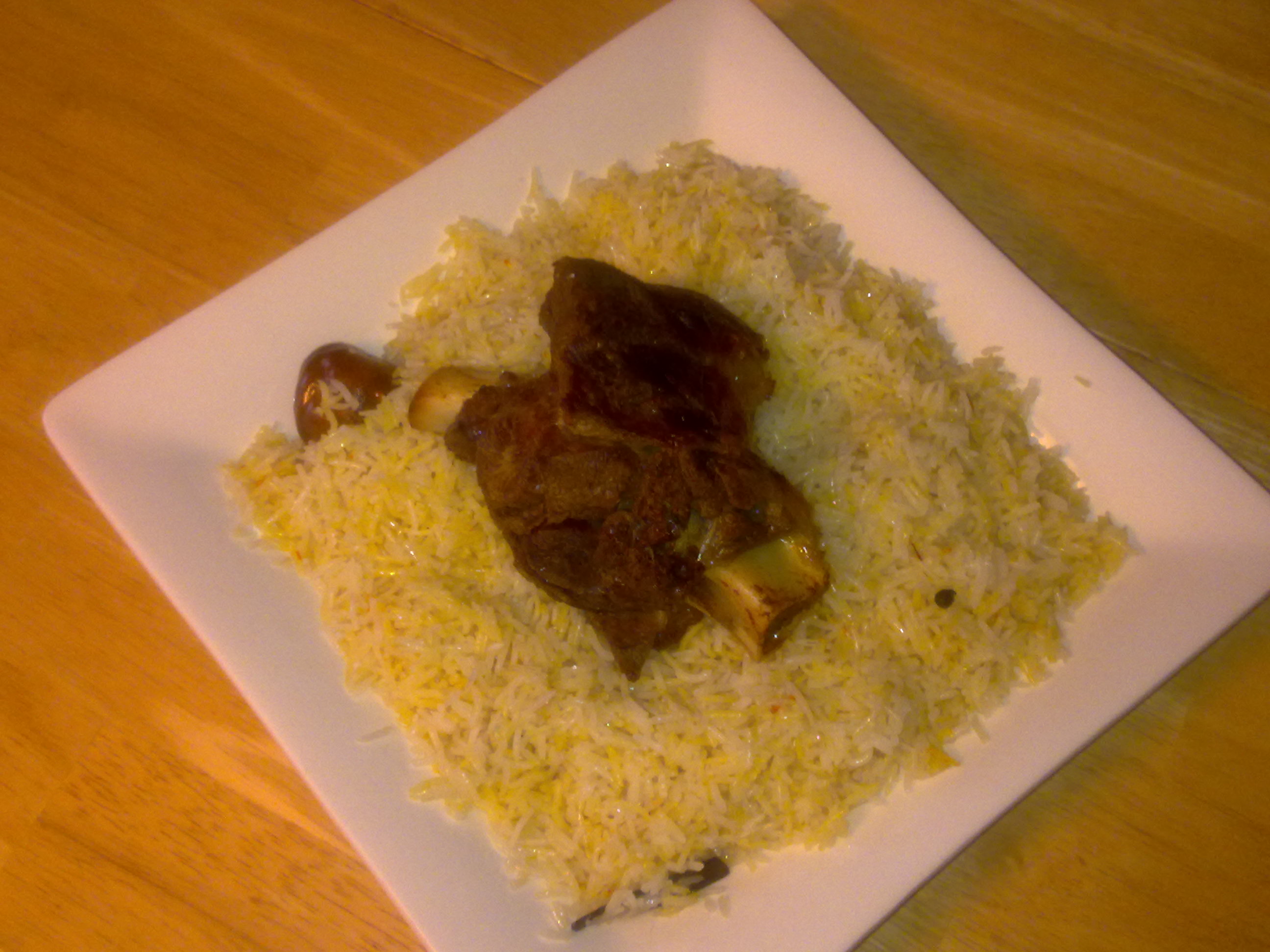
Mandee 1 — مندي لحم غنمي
Posted in Red Meat, Rice, Yemeni Dishes on April 4, 2011| 22 Comments »
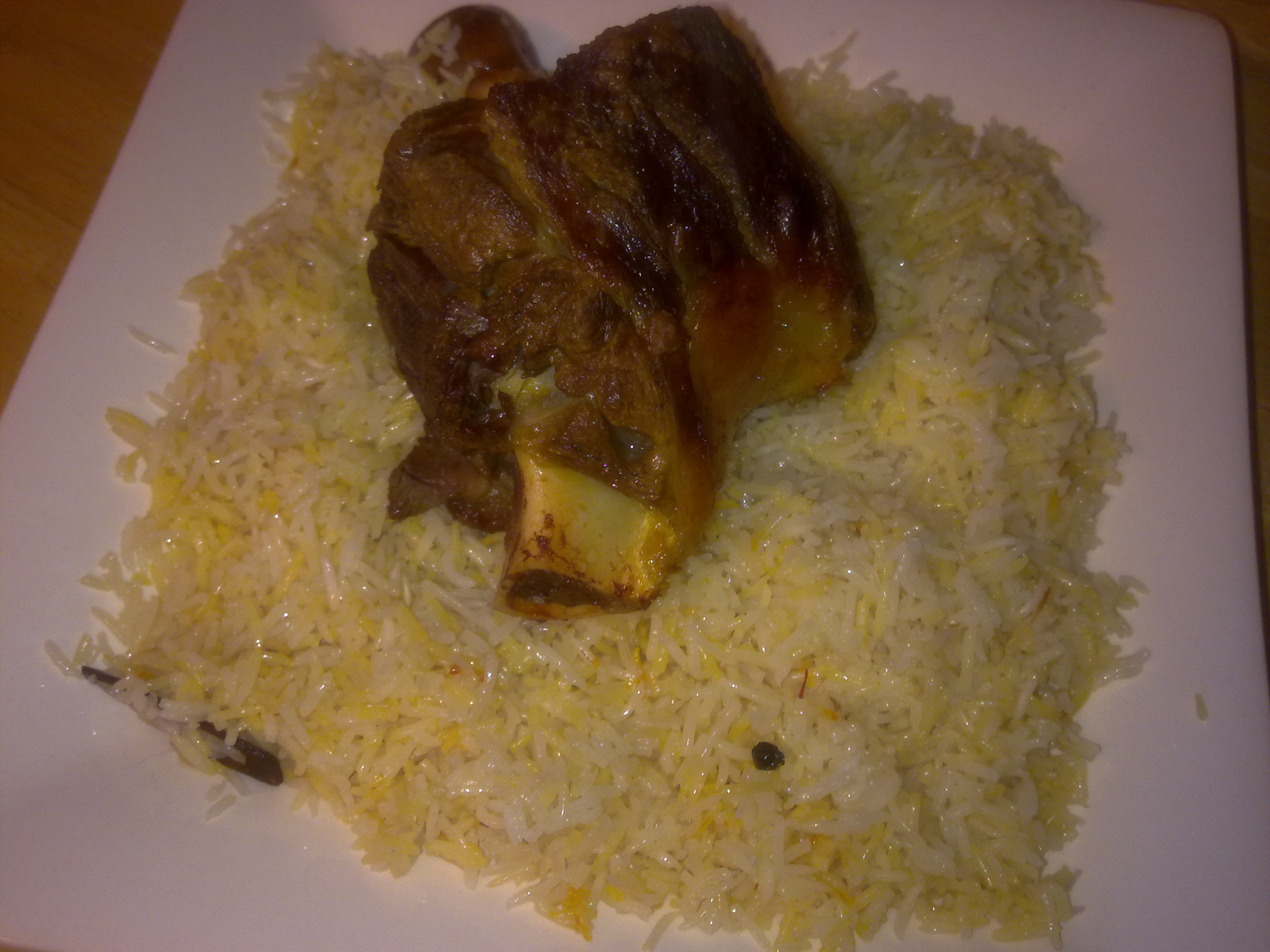
Mandee is one of those Yemeni recipes that can be made in a variety of way–this is just one of them. I’ll post them on my blog as I make them. You can make it with either chicken or lamb. There are restaurants all over the Arab and western world [we may have some in the states in Detroit/Michigaon] that are famous for their Yemeni Mandee, but if you don’t have one in your area don’t worry. You can make it at home. Usually, in Yemen, this is made outside in the open air, in which a hole is dug in the ground on a bed of lighted natural coal, and the meat comes out looking, smelling and tasting unimaginably delicious. We’re just two people–my husband and I– so the quantity as you see is small. But you can double, tripe or quadruple the quantity.
You will need:
1) 1/3rd of a leg of lamb–I asked my butcher to cut a leg of lamb into three parts and used the bottom part closest to the foot. Any nice looking piece works, but it has to be a little fatty. You can use a whole lamb as well if you like–as they do in Yemen–and usually they use one a couple of months old or so. Plus you want the bone in for flavor.
2) 1 cup of Basmati rice, washed and soaked for no more than 30 minutes or so. Depending on the kind of rice you are using, you may end up soaking it too much and it might end up getting all mushy after you cook it. So, if you are not sure about this, then don’t soak it AT ALL, but do wash it until the water comes out clear.
3) 1 medium onion roughly chopped. Try and keep the peel of the onion aside, as you will need it to hold the lighted coal.
4) a few peppercorns (4-5)
5) 2 sticks of cinnamon
6) 1-2 dry lemons–optional, and make sure you poke it with a knife for the flavors to come out during cooking
7) 3 small grains of mastic–you can get this from Mediterranean stores, but remember to tell them not to give you the chewing kind.
8 ) 3 tblsp of ghee–you can use Olive oil if you don’t like the taste of ghee. But this makes it very aromatic.
9) Saffron (two pinches)–the best is the Iranian but it’s also very expensive, so if the Spanish fits your budget go for it. Make sure to soaked it in a little water–just enough to cover it. Optional: some also soak it in Orange Blossom Water –also available in any Middle Eastern store.
10) A small piece of natural coal–not the kind that is filled with chemicals for it to light. You can leave this part out, although it makes the dish very aromatic.
11) Salt to taste
12) Piece of foil–big enough to wrap the meat in.
13) 1 tsp of oil–any vegetable or Canola oil .
So, let’s start. In a pot, big enough to hold the meat, place the meat and add water enough to cover the meat entirely. Then place on high heat and let boil. Remove the froth that collects on the surface, and keep on doing that until it stops. Now time to add the onion, some peppercorns, 2 grains of mastic and 1 cinnamon stick. Let boil until meat is tender. You can also use a pressure cooker if you like.
When the meat is cooked through–but still holds its shape. Remove the meat, and sieve the water. Keep the water, don’t throw it out, you will use some of it to cook the rice in.
Turn the broiler on, and place in the meat in the foil–drizzle with half of the ghee and half of the saffron. Also sprinkle with salt, and then wrap up in the foil and leave in the broiler to cook some more–about 30 minutes or the time it takes to cook the rice.
Now for the rice, add half of the ghee–about 1/2 tblsp– rest of the peppercorns, cinnamon stick and dry lemon and sautee a little. Add the rice, and fry for about a minute or so. Then add enough water to cover the rice, and place on low heat an cover and let cook. In the meantime, light the coal (I just leave it on a lighted stove top). When the rice has soaked up almost all of the water–add the rest of the saffron and drizzle the rest of the ghee and let cook some more until the rice is completely cooked through. Now to deal with the meat in the broiler. Open the foil, and let it brown on each side Once the rice is done, be careful it does not burn. Once it is well browned on all sides, and the rice is done. Place the meat on top of the rice.
This part is optional–make a little holder for the coal with the onion peel. Place in the pot and carefully place the coal on the onion peel, and then add the 1tsp of oil and cover the pot immediately. Once the cloudiness dissipates. Open the cover and serve immediately.
For more photos of the dish click here: 
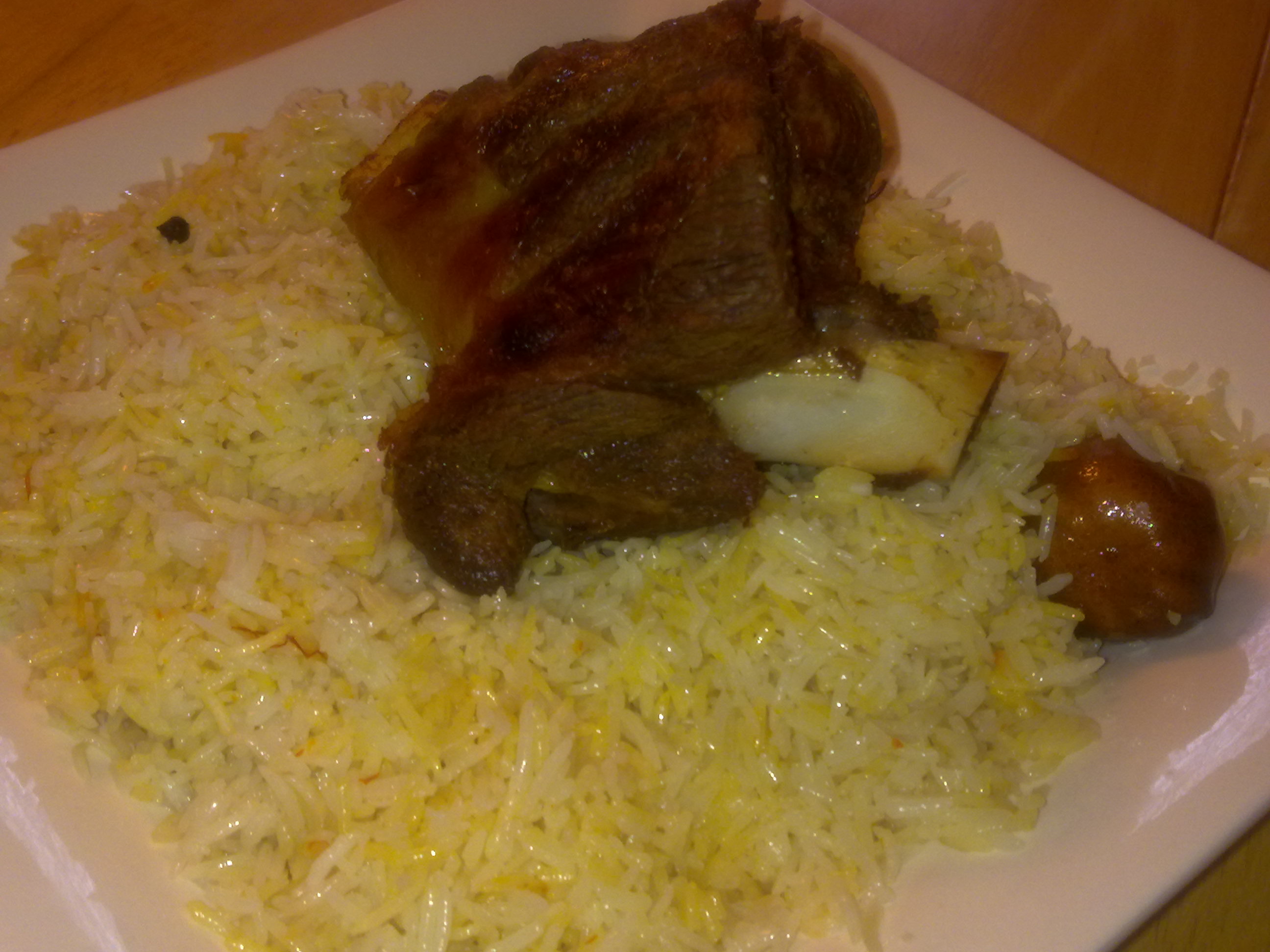
And here’s another one: 
Enjoy
Hungry? Find it Quick!
Me the Blogger!
Recipes
Find it FAST !
Top Posts
-
Join 286 other subscribers
-

Thanks for visiting!
- 1,239,175 hits
 A Yemeniyah's Recipes